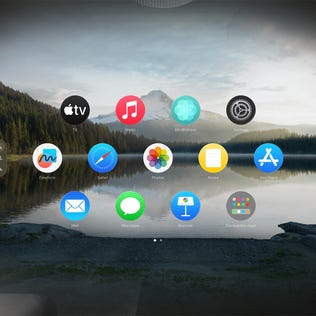
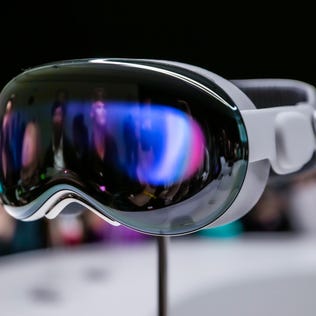
Apple's headset is limited to one iCloud account, but there are ways to let others get in on the experience.
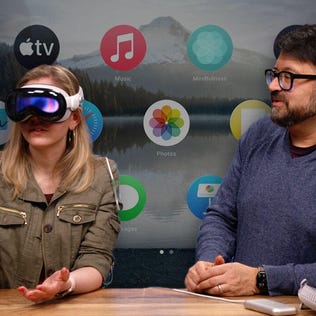
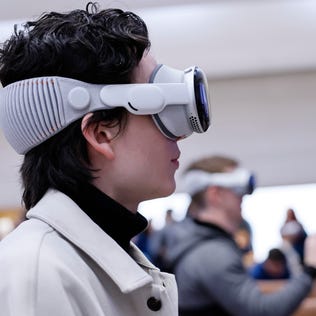
Apple is offering free demos of the Vision Pro headset in its stores right now.
A few major services won't have native apps for the Apple Vision Pro at launch.
Insurance for the Apple Vision Pro doesn't come cheap.
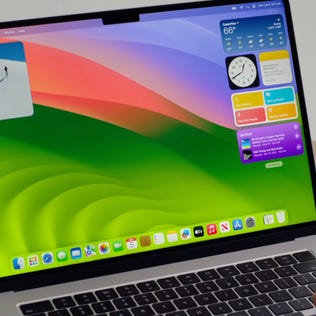
Sonoma brings lots of small changes to Mac OS that culminate in big quality-of-life upgrades
Apple has released M1 and M2 versions of most of its iconic Macs, but how you take a screenshot remains the same.
If you've been locked out of your Mac, there are several ways to regain access.
Before you part with your laptop, make sure to wipe any trace of your data from it and make it feel as new as possible.