The Klarna Card touts some perks, but its 'flexible payment options' look very familiar. Should you apply?
You can earn rewards for charging your electric vehicle, but the best cards also come with a variety of other benefits.
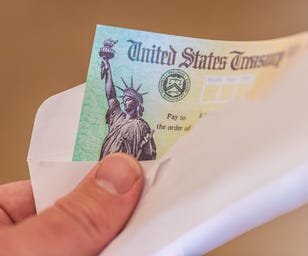
If you're missing a tax refund from the 2021 filing season, you have under a month left to claim your money from the IRS.
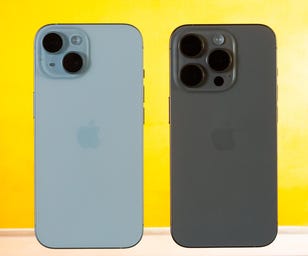
Here's what you need to do if your iPhone won't get out of Emergency SOS mode.
A few major mortgage rates increased. Will the housing market ever recover?
Several key refinance rates were higher this week, but rates should start trending down in the coming months.
How you can save on utility bills, cut your household's carbon footprint and be more comfortable in your home with an energy audit.
With 2024's cicada emergence rapidly approaching, you might be concerned for your pets safety. Here's what to know.