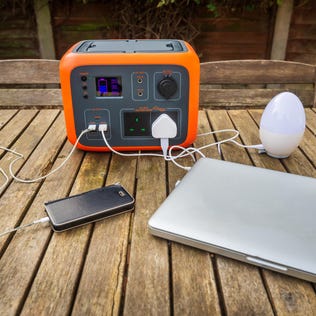
Do you just need a small boost of electricity, or are you looking for a power source to last for days on end? Answering this question can help you decide.
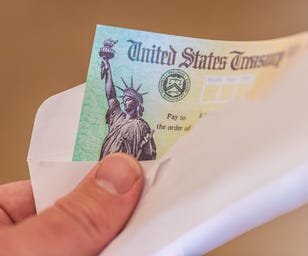
Tax Day has come and gone. Now's the time to start tracking the status of your refund if you haven't received one yet.
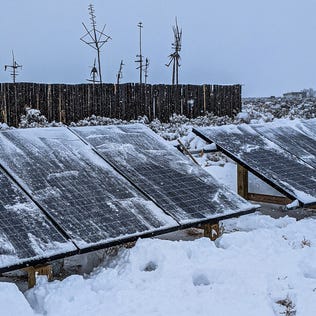
While providing me 100% energy independence for my off-grid home, solar panels demystified the enigma of electricity for me and increased my understanding of the movements of the Earth itself.
If you're still working on your taxes and need help, you can call the IRS, but you might experience long wait times.
Homeseekers are holding their breath for cheaper home loans, but mortgage rates are only getting more expensive.
It's Taylor time. Here's a guide to the many, many ways you can purchase the superstar's new release.
Swift surprised fans at 2 a.m. with an extra 15 songs. Here's what we know about this new era.
Forgo the grease-splattered stovetop and make your next cheeseburger in this countertop cooker instead.