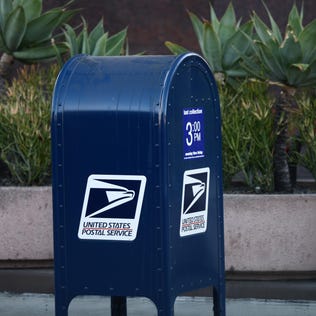
Postage stamps will be getting a bit more expensive this summer.
The NFL draft will be live from Detroit starting tonight. You can watch every pick during the three-day event on ABC, ESPN, ESPN2 and NFL Network.
Here are some reasons why your Social Security check might not have arrived, and what you can do about it.
If your starter word doesn't feature E or A, rethink your Wordle strategy. Here's the entire alphabet ranked by use.
The update is optional for now but it should start rolling out to all Windows 11 users next month.
Whether you have a gas furnace, a heat pump or something else, regular upkeep can save you money and keep your home's air cleaner.
You can use a HELOC to tap into your home's equity and get flexible access to cash with a revolving credit line.
Homeowners can get access to a large sum of cash at a fixed rate by borrowing against their property's value with a home equity loan.